
When Basic IT Help Is No Longer Enough
Many growing businesses start with simple IT help. You call someone when something breaks and hope it is a quick fix. That can work when you have a small team, a single office, and a handful of systems. As soon as you add remote work, more cloud tools, and more customer data, the same approach often begins to create more stress than it solves.
Across Sydney and in Western Sydney, we see the same pattern. Leaders feel stuck dealing with repeat issues, slow response times, growing security worries, and no clear plan for where technology is heading. IT becomes a constant distraction instead of a quiet, reliable foundation.
This article walks through the key signs your business has outgrown basic IT support, what proactive IT support in Sydney looks like in practice, and how to move forward without disruption. The goal is simple: help you decide when it is time to expect more from your technology.
Hidden Costs of Break-Fix IT Support
Break-fix support is the traditional model where you only call IT when something is broken. There is no ongoing monitoring, no routine maintenance, and usually no strategic advice. On the surface, it feels cheaper because you are only paying for help occasionally.
The real cost shows up in other places:
- Staff sitting idle during outages or slowdowns
- Delays while you wait for someone to be available
- Surprise invoices every time an issue escalates
- Managers losing hours trying to troubleshoot problems themselves
When this becomes regular, the impact on growth is hard to ignore. Unreliable systems slow your team, create inconsistent customer experiences, and make opening a new site or adding a new tool much harder than it should be.
Proactive IT support in Sydney takes a different path. With regular monitoring, maintenance, and planning, your provider can:
- Spot many issues before they affect staff
- Schedule updates and changes outside busy periods
- Reduce unplanned downtime and urgent callouts
- Give you a clearer, more predictable view of IT spending
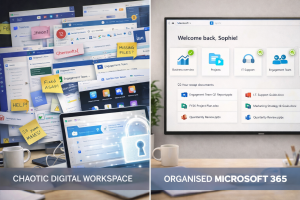
You shift from reacting to fires to managing a service that supports how you operate.
Signs Your Systems Are Holding Your Team Back
Often, the first sign that basic support is no longer enough is what you hear from your staff. They might not talk about servers, bandwidth, or infrastructure, but they will tell you where the friction is.
Common day-to-day symptoms include:
- PCs that are slow to start or freeze during the day
- Recurring Wi‑Fi dropouts or printer problems that never fully disappear
- Staff constantly restarting devices or applications to get them working
- Difficulty accessing shared files or applications when working remotely
These are not just technical annoyances. Over time, they lead to:
- Missed deadlines or rushed work
- Frustrated staff who feel they cannot do their best
- Workarounds outside approved systems, such as saving files to personal devices
- Lower customer satisfaction when systems stall during calls or meetings
More advanced support uses centralised tools and documented processes to keep systems steady. This can include standardising devices, monitoring performance, and keeping key business applications tuned for the way you work.
At Simplicity I.T., we focus on aligning IT performance with your operations. That means your people can spend more time on high-value work and less time acting as unofficial IT support.
When Cybersecurity Needs Move Beyond Basic Antivirus
Basic antivirus on each device used to feel like enough. As work habits and technology have shifted, security risks have become more about how and where people access data than a single virus on a single PC.
You may have moved beyond basic protection if:
- More staff work from home, client sites, or on the road
- Data is stored across multiple cloud platforms and devices
- You handle sensitive customer or financial information
- You are asked about security measures in tenders or compliance forms
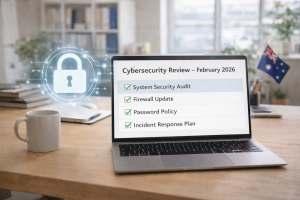
Threats such as phishing emails, credential theft, and accidental data loss are now common for small and mid-sized businesses, not just large enterprises. The aim is not to scare anyone, but to recognise that security is now part of everyday business hygiene.
Proactive IT support in Sydney can improve security in practical ways, such as:
- Controlling who can access what, from where, and on which devices
- Keeping systems patched and updated on a regular schedule
- Planning backups and recovery so you can restore data quickly if needed
- Training staff to recognise and report suspicious activity
Good security should protect your business without making daily work harder. When controls are designed around your existing tools and processes, staff can work confidently rather than feeling blocked.
Growing Beyond a Single IT Person or Ad-hoc Help
Many businesses reach a point where they rely on one internal IT person, a tech-savvy staff member, or a trusted friend who helps out when needed. This can work for a while, but it usually has clear limits.
Typical challenges include:
- Limited availability when they are sick, on leave, or busy with their main role
- Gaps in knowledge across servers, cloud, cybersecurity, and phones
- Difficulty keeping up with constant changes in technology
- Lack of documentation, so knowledge lives in one person’s head
If a serious incident occurs or you want to roll out a new system, this model can strain quickly. Response times vary, projects stall, and you may feel you are asking a lot from someone whose primary job is not IT.
A managed service provider gives you:
- Access to a broader skill set instead of a single person
- Documented processes and clear responsibilities
- Service level commitments for response and resolution
- Support for planning hardware refreshes, cloud changes, internet and VoIP
With a stable IT partner, you can align technology decisions with your plans for the next three to five years instead of making one-off choices under pressure.
Moving to Proactive IT Support Without Disruption
Shifting from basic or ad-hoc support to a proactive model can sound daunting, particularly if you worry about downtime or a big change all at once. In practice, a well-managed transition is structured and calm.
A typical move involves:
- An assessment of your current systems and risks
- Agreement on priorities, such as stabilising internet and email first
- A planned onboarding process to document devices, users, and applications
A good provider will stabilise what you already have before suggesting major changes. Adjustments are phased, tested, and scheduled, so improvements arrive in a manageable way rather than as a shock to the business.
Once things are steady, ongoing reporting and regular review meetings give you visibility of:
- System health and performance
- Security posture and backup status
- Upcoming needs, such as hardware replacements or licence changes
For Sydney and Western Sydney businesses, working with a local partner for proactive IT support in Sydney also adds practical advantages. Your provider understands regional infrastructure, can visit on-site when necessary, and is familiar with the operating environment your staff work in every day.
Taking the Next Step Toward Reliable, Strategic IT
If you recognise repeated issues, unpredictable IT costs, increasing security concerns, reliance on one person, and systems that clearly slow your team, it is likely your business has outgrown basic support. This is a normal stage of growth, not a sign that anything has gone wrong.
Moving to a proactive model is not about throwing everything out and starting again. It is about building on what already works, reducing risk, smoothing out daily operations, and using technology to support your plans instead of holding them back.
By treating IT as a managed, strategic service rather than an emergency repair line, you give your business a more stable, confident platform to grow on. Proactive support, clear advice, and local understanding can turn technology from a constant frustration into a quiet strength behind your operations.
Protect Your Business With Reliable IT Support Today
If you are ready to reduce downtime and stay ahead of IT issues, our team at Simplicity I.T. is here to help. Explore how our proactive IT support in Sydney can keep your systems stable, secure and performing at their best. To discuss your needs or arrange a tailored solution, simply contact us and we will get back to you promptly.