
For many SMEs, I.T. feels like a black hole of unpredictable costs. One month it’s quiet. The next — surprise bills for software, hardware, or support.
And when budget season rolls around, it’s often a guessing game:
- “What did we spend last year?”
- “What might break this year?”
But it doesn’t have to be this way. A smart I.T. budget isn’t just possible — it’s essential.
💡 Snapshot: Why Most I.T. Budgets Fail
- They’re based on reactive spend, not forward planning
- Hidden costs (subscriptions, licences, one-off fixes) are missed
- No alignment with business goals or growth plans
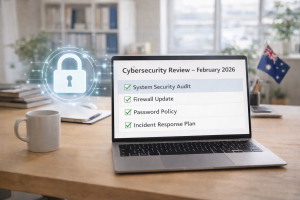
- Security, compliance, and backups are underfunded
An I.T. budget that actually works is built like any good business function — with structure, foresight, and real data.
Step 1: Start with What You Already Have
Before you plan forward, look back:
- What tools are you paying for monthly or annually?
- What hardware is ageing out?
- What’s costing you in support or downtime?
This audit reveals waste, duplication, and risk. We often find:
- Multiple tools doing the same job
- Forgotten subscriptions
- PCs well past warranty causing slowdowns
Step 2: Align Your I.T. Spend with Business Goals
Planning to:
- Hire new staff?
- Expand to new locations?
- Add new services or tools?
Your I.T. plan should reflect that:
- Devices for new hires
- Licences and training for new systems
- Scalable cloud storage and secure access.
When I.T. is mapped to business strategy, it becomes a growth driver — not a cost burden.
Step 3: Build Your Budget in 3 Clear Buckets
- Operational Costs (keep the lights on)
- Managed services
- Licences (Microsoft 365, security tools)
- Backups & hosting
- Capital Investment (new tools or upgrades)
- Laptops, servers, network upgrades
- Project costs (e.g. migrations, setup)
- Contingency & Growth Planning
- Unexpected hardware failure
- Expansion support
- Cybersecurity upgrades
This model brings clarity and control.
Hidden I.T. Costs That Can Blow Your Budget
Be sure to account for:
- Printer leasing & consumables
- Data recovery (if you don’t have backups)
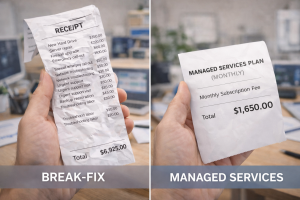
- Ad hoc support call-outs (break-fix fees)
- Insurance premiums impacted by weak cybersecurity.
Many SMEs forget these until it’s too late.
“But We Just Fix Things As They Break” — That’s the Problem
Reactive I.T. spend is like running a business without a marketing plan. It keeps you stuck in crisis mode.
Budgeting proactively:
- Reduces downtime
- Avoids nasty surprises
- Supports your team’s productivity
- Makes tech part of your growth strategy
It’s not just about spend. It’s about outcomes.
How Simplicity I.T. Helps SMEs Budget Smarter
We:
- Conduct a full I.T. asset and licence audit
- Review past support calls and incident trends
- Identify key investment areas based on your goals
- Build a 12-month and 3-year forecast
You walk away with clarity, confidence, and a spend plan that aligns with your business.
Let’s Bring Structure to Your I.T. Spend
A little planning goes a long way — and prevents a lot of pain.
Book a free I.T. budget and systems review with Simplicity I.T. to see where your money’s really going — and how to put it to better use.